
The History of the Southern Baptist Convention

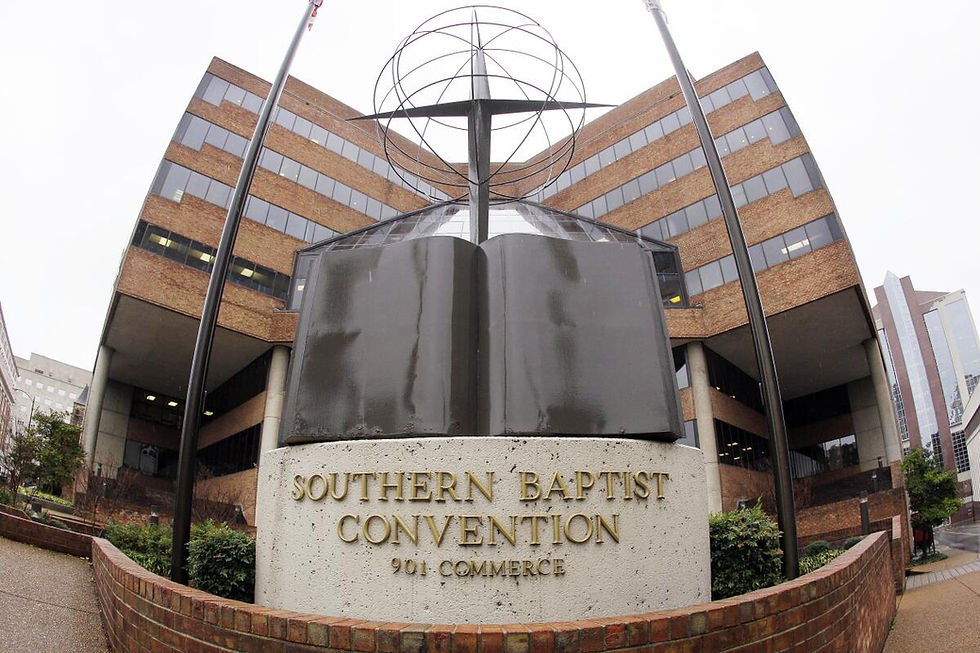
When most people think of history, specifically church history, their timeframes only stretch back to their earliest experiences. Starting with experiences makes sense for the church because emotion and novelty play an important role in engagement. Because the time period is so far removed from our experiences, it is much harder to talk about the church history of the 12th century or even American church history of the 18th century.
The history of the Southern Baptist Convention is not widely known except for those that had to take a Baptist history class in college. But knowing the history and continued blessing of the SBC will link golden chains of discipleship connecting the past and the future of SBC churches in cooperation.
The SBC was started in a rift from its northern companions over the issue of slavery. Both North and South had differing views on slavery, which is a broad-brush stroke, leaving out many in the South that opposed slavery and those in the North who embraced it. The South, in complete error over the issue, gathered other Baptist churches in the South to create a new association of churches. Thankfully, God can even use the worst in us for his redemptive glory. The SBC has since apologized and turned from their attitudes over slavery, while also becoming the largest association of churches in the USA.
Birthed in Augusta, GA (likely on a golf course, just kidding), the SBC has grown. Unlike the North, the South desired a more central approach to cooperation and association over common doctrine and ministry. The Foreign Missionary Board (currently the International Mission Board) was created with by sending one missionary unit to China. By 1891, the missionary board had increased giving of 2 million dollars that sent and supported 91 units around the world. Therefore, in 1925, the Cooperative Program was born. This provided central giving and organization of missions. Because of cooperation, the IMB is the largest evangelical missionary force around the world.
The Home Missionary Board (currently the North American Mission Board) was established in 1862. The goal of home missions was to evangelize the lost and plant churches in the North American continent.
In 1925, the original Baptist Faith and Message was penned. This document put doctrinal distinctives at the center of friendly cooperation. The Baptist Faith and Message was updated in 1963 and 2000 to include cultural and ethical differences that became more concerning for Southern Baptists. You can see these doctrinal statements here:https://bfm.sbc.net/bfm2000/
In the history of the final decades of the 20th century, the primary shift was called the Conservative Resurgence. Many SBC entities (seminaries, publishing companies, etc.) had liberal theology beginning to creep in. Many Baptist pastors were taught portions of the Bible to be mythological or allegorical rather than literal. Many were taught that the Bible was not inerrant (without error), among many other unorthodox and heretical things.
The conservatives in the convention believed that the members should turn back to orthodox, biblical inerrancy, and the centrality of Christ to salvation. Conservatives worked to elect a conservative president that would have appointment powers to install likeminded leaders. In 1979, conservatives were able to elect Adrian Rodgers by 51% of the vote. This began the long line of conservative presidents bringing the entities and agencies back in line with doctrinal alignment. If you think this was unimportant to America, talk show host Phil Donahue dedicated his entire “ABC Nightline” show to covering the controversy between the liberal and conservative divide in the denomination.
Every entity saw a change in leadership — from the six seminaries to the two mission boards to the denomination’s publishing house. Seminary professors today are required to teach within the boundaries of biblical inerrancy. Leadership is required to affirm inerrancy as well. Although participation in the SBC is voluntary, the benefits and collective work is unmatched in the world of evangelical life.
If you are interested in learning more about the SBC or information about possible academics through one of the SBC seminaries, please email me at johnr@rainbowforest.com.
-Pastor John Richardson


Comments